Hardscaping in Arlington, VA turns a tight rowhouse lot, a sloped bungalow yard, or a narrow Clarendon courtyard into usable outdoor space, but the right approach depends on soil, access, and Arlington County's permit rules. This guide breaks down real cost ranges, the build process, and the material trade-offs that matter most on local jobs. By the end, you'll know exactly what to ask a contractor before a single paver gets set.
Hardscaping vs. Landscaping: What's Actually Different
Hardscaping covers the non-living, structural parts of an outdoor space, patios, walkways, walls, and similar built features. Landscaping (or softscape) covers the living components: lawns, shrubs, trees, and garden beds. Together, they make a complete outdoor living space.
The distinction matters because it drives both planning and pricing. Hardscape work involves excavation, base materials, and masonry; softscape involves soil, irrigation, and plant selection. On most Arlington properties we build on, the patio or wall gets designed and locked in first, since it sets the "bones" the rest of the yard has to work around.
Popular Hardscape Features in Arlington Neighborhoods
Arlington homeowners typically add a short list of core features:
- Patios for outdoor dining and lounging
- Walkways connecting entries, driveways, and garden areas
- Retaining walls for sloped lots
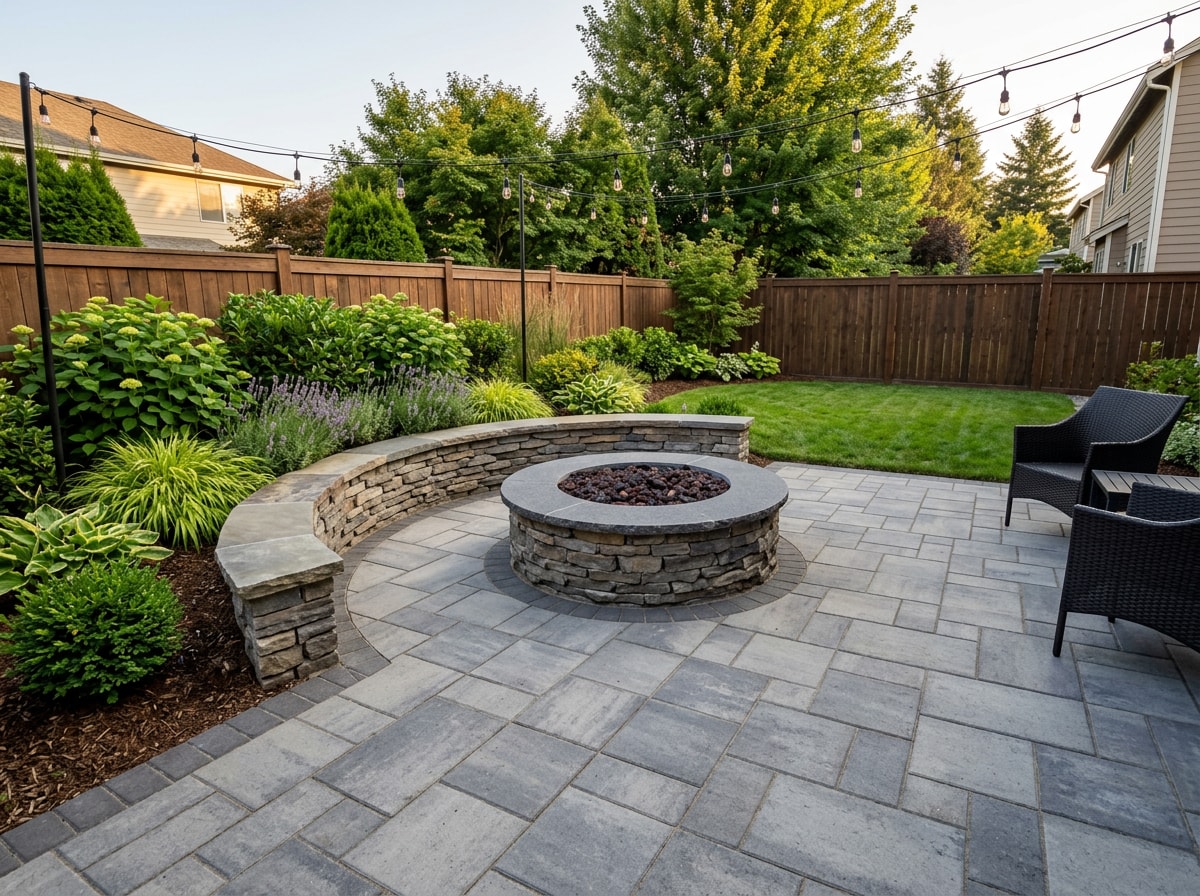
- Fire pits as a gathering point
- Driveways built to hold up to daily use
- Steps and seating walls to round out the layout
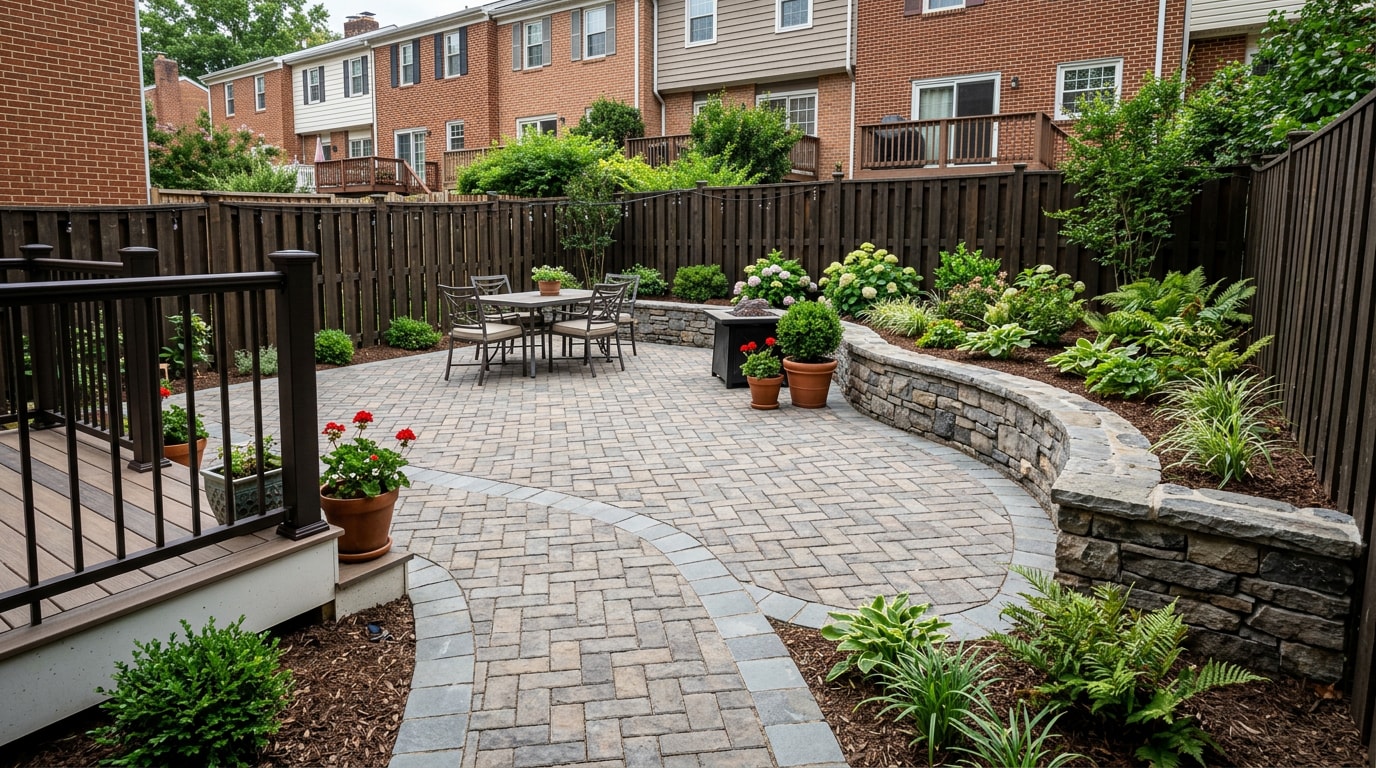
In denser neighborhoods near Ballston, Rosslyn, and Clarendon, these features usually get scaled down to fit compact courtyards, narrow side yards, or small front entries rather than sprawling backyards. A well-proportioned dining patio tucked behind a rowhouse can function just as well as a much larger suburban layout, provided the materials and scale suit the space. Our deck landscaping guide for Arlington covers how hardscape features pair with an existing deck on a smaller lot.
Browse our hardscape contractor services for a full breakdown of patio, walkway, retaining wall, driveway, and fire pit installation.
How the Hardscape Build Process Works
Every hardscape project follows roughly the same sequence, whether it's a small walkway or a full backyard renovation:
- Site consultation to assess soil, drainage, and access
- Design and material selection based on the site conditions
- Base preparation, excavating and compacting a stable foundation
- Installation, setting the base, laying pavers or pouring concrete, and finishing with jointing sand or sealant
Each phase depends on the one before it, which is why skipping proper base prep is one of the most common causes of settling or cracking a year or two down the road.
Hardscape Construction Timeline
A small walkway or simple patio often takes a few days to a week. A larger project combining a patio, retaining wall, and fire pit can run two to four weeks. The timeline depends on size, site access, and how much excavation the design requires.
Weather affects scheduling too, especially during Arlington's wetter spring months. Your contractor should give you a realistic duration estimate after the site visit, not before.
What Hardscaping Costs in Arlington, VA
Project costs vary widely depending on scope. A small walkway might run a few thousand dollars, while a multi-feature outdoor living area with a patio, wall, and fire pit can reach well into five figures. Thinking in cost per square foot helps when comparing quotes, though that figure shifts based on material and site conditions.
The biggest cost drivers we see on Arlington jobs:
- Total square footage
- Material selection
- Soil conditions and drainage
- Custom elements like curved edges, multi-level designs, or built-in seating
- Access: alley or side-yard-only sites take longer to stage and cost more in labor
Build in a contingency of 10 to 15% for unexpected site conditions. Pricing can shift once excavation reveals what's actually under the soil, clay pockets, old utility lines, or poor drainage are common surprises on older Arlington lots. Setting a realistic budget before falling in love with a specific design keeps the whole process less stressful.
If a concrete slab fits your budget better than pavers, our concrete patio installation and concrete driveway installation services are worth comparing against a full paver build.
Material Comparison: Pavers, Stone, Brick & Permeable Pavers
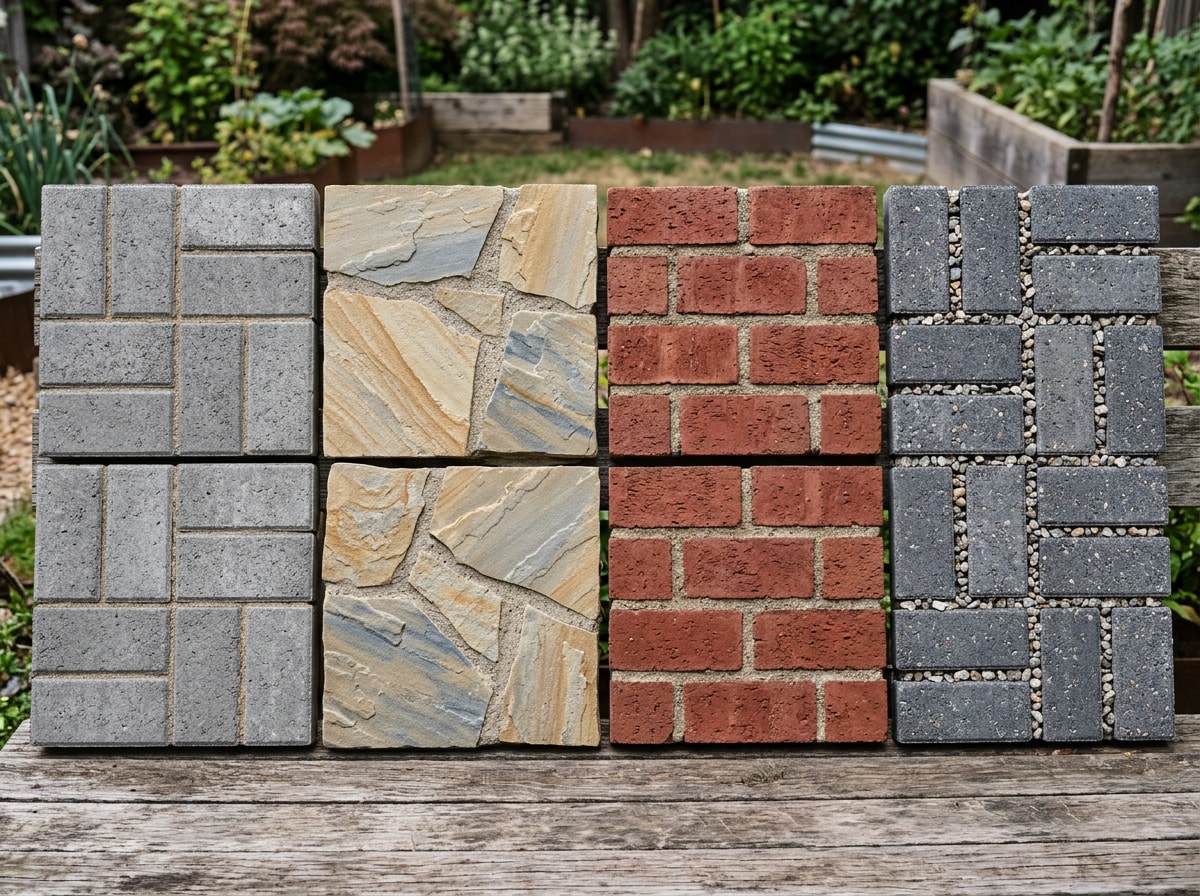
Material choice affects cost, durability, and maintenance more than almost any other decision. Here's how four common options perform for Arlington's freeze-thaw winters and clay-heavy soils, based on typical ranges we quote on local jobs:
| Material | Typical installed cost | Durability in freeze-thaw | Maintenance |
|---|---|---|---|
| Concrete pavers | ~$15–$25/sq ft | Strong when base is properly compacted | Moderate; occasional joint sand refresh |
| Natural stone / flagstone | ~$25–$40/sq ft | Excellent long-term lifespan | Higher upfront cost, variable install complexity |
| Brick | ~$18–$28/sq ft | Individual bricks can crack more than pavers in freeze-thaw cycling | Classic look, suits historic Arlington architecture |
| Permeable pavers | ~$20–$30/sq ft | Comparable to standard pavers | Requires periodic joint-material refreshing to stay effective |
These figures are general planning ranges, not a quote, actual pricing depends on your site. For installation standards behind these durability differences, the Concrete Masonry & Hardscapes Association publishes technical guidance used across the paver industry; the group describes its mission as "elevating the value of concrete masonry, hardscapes and manufactured stone veneer, and championing the people behind them."
If you're weighing brick or natural stone specifically, our stone masonry and brick masonry pages go deeper on product options.
Permits & Lot Coverage Rules for Arlington Hardscaping
Permit rules in Arlington hinge mostly on height and how much new impervious surface a project adds. Retaining walls are the feature that trips people up most often: walls holding back less than 3 feet of fill are typically exempt from a building permit under the county's code enforcement, but anything taller, or any wall affecting drainage or grading, generally needs plan review.
Larger projects trigger an additional layer of review. If a project disturbs more than 2,500 square feet of land, including the footprint of patios, driveways, pavers, landscaping, grading, staging, stockpiling, retaining walls, etc. , Arlington requires a development plan, not just a standard permit. That threshold catches more backyard renovations than homeowners expect once you add up an existing driveway, a new patio, and regrading.
Arlington zoning also caps how much of a lot can be covered by structures and paving, which counts toward impervious surface limits. Before adding new hardscape, tally existing coverage from your house, driveway, and any existing patios so a new project doesn't push you over the local lot coverage limit. Condo and townhome communities may layer on their own HOA review as well, so check both before finalizing a design.
For current thresholds and to confirm what your specific project needs, check Arlington County's residential building permit page before you finalize plans. Our retaining wall installation team can walk through what applies to your lot during the site visit.
Hardscaping in Arlington's Neighborhoods
Arlington's architectural variety, from historic bungalows near Clarendon to denser rowhouse blocks by Ballston and Rosslyn, means hardscape design often has to respect neighborhood character while working inside a small footprint. Historic districts in particular may have design expectations worth checking before finalizing plans.
Tight lots also mean access and staging logistics matter more here than in suburban settings. Side-yard or alley access often determines how materials get delivered and where equipment can realistically work on site. Our Arlington, VA service area page covers neighborhood-specific considerations in more detail, and our walkway installation and fire pit installation pages go deeper into feature-specific planning for compact sites.
Ready to see what a design would look like on your lot? Get a free estimate and we'll walk the site with you before you commit to a design. You can also browse our completed projects or start from our homepage to see the full range of hardscape, masonry, and concrete services we offer around Arlington.
FAQ
Do hardscape projects in Arlington require a permit?
It depends on the feature and its size. Retaining walls under 3 feet of retained fill are typically exempt, while taller walls and anything affecting drainage or grading usually need a permit. Small at-grade patios and walkways often don't need one either, but projects that disturb more than 2,500 square feet of land trigger a development plan. Condo and townhome communities may also require HOA review. For current thresholds, check Arlington County's permit page or ask your contractor to confirm before work starts.
How do lot coverage limits affect outdoor construction in Arlington?
Arlington zoning caps how much of a lot can be covered by structures and paving, which counts toward impervious surface limits. Before adding new hardscape, tally existing coverage from your house, driveway, and any existing patios so the new project doesn't exceed the local limit.
Can you install hardscaping on a small Arlington yard?
Yes. Compact patios, courtyards, and front walkways are standard work on tight Arlington lots, and side-yard or alley access can usually be planned around with the right equipment and sequencing.
Are permeable pavers worth it in Arlington?
Permeable pavers help manage stormwater runoff by letting water filter through rather than pooling or rushing into storm drains. The EPA notes that permeable pavements can "help reduce and treat stormwater where it falls." When installed to spec, permeable systems may also help on sites close to lot coverage limits since some jurisdictions treat them differently than solid paving. Check with your contractor and Arlington County to confirm local treatment.
How much does a paver patio cost in Arlington, VA?
Most paver patios run roughly $15 to $25 per square foot installed, depending on paver type, base conditions, and design complexity. A simple 200-square-foot patio often lands in the low-to-mid four figures, while larger or custom layouts climb from there. Get a site-specific quote rather than budgeting off a flat per-square-foot number alone.
What's the most durable hardscape material for Virginia weather?
Properly installed concrete pavers and permeable pavers tend to handle Virginia's freeze-thaw cycles the most consistently, since individual units can shift slightly without cracking. Natural stone lasts the longest visually but costs more upfront, and brick looks great on historic properties but individual units are more prone to cracking in repeated freeze-thaw cycling than modern pavers.